
Unraveling the rich history of gambling From ancient rituals to modern-day casinos
The Origins of Gambling: A Glimpse into Ancient Cultures
The history of gambling can be traced back thousands of years, rooted in the fabric of ancient civilizations. Archaeological discoveries have revealed that activities resembling gambling took place in China as early as 2300 BC, where rudimentary dice made from animal bones were used. Similarly, in ancient Egypt, dice games were prevalent, and these early forms of gambling provided not only entertainment but also social bonding and a sense of community among players. These rituals, often tied to religious or superstitious beliefs, show that gambling has always been intertwined with human culture. For those looking to enhance their experience, platforms like https://breakwin.co/bonuses.html can provide exciting bonuses and promotions throughout your gaming journey.

The Romans, too, had their own versions of gambling, which included betting on chariot races and gladiatorial contests. They established laws to regulate gambling, recognizing its potential for both social interaction and corruption. This early legislation hinted at the dual nature of gambling: as a source of excitement and a potential vice. The significance of gambling in ancient societies demonstrates how deeply embedded these practices have been in human history, serving both as a pastime and a reflection of societal values.
As we explore the historical narrative of gambling, it becomes clear that various forms of betting were not merely games of chance but also avenues for storytelling and mythology. For example, ancient Greek culture celebrated dice games in their literature and theater, showcasing the importance of chance and fate. This intertwining of gambling with cultural narratives illustrates the human fascination with luck and fortune, which remains relevant today.
The Evolution of Gambling Practices Through the Ages
Moving into the Middle Ages, gambling saw both a decline and a resurgence. After the fall of the Roman Empire, the Catholic Church condemned many gambling activities, viewing them as sinful. However, during this era, gambling still found its way into social gatherings, particularly among the nobility. The invention of playing cards in the 14th century introduced new gaming dynamics, leading to the establishment of various card games that are still played today. This period marked a crucial turning point, as gambling began to be organized and formalized.
The Renaissance ignited a passion for games of chance, leading to the creation of the first official casinos. In Venice, the Ridotto opened in 1638, offering a structured gambling environment where players could indulge in card games and betting. This development signified the transition from informal betting to organized gambling, setting the stage for the luxurious casinos of today. The allure of these establishments was not just the games offered but also the social environment they provided, appealing to the affluent and the adventurous alike.
By the 18th and 19th centuries, gambling had become a global phenomenon, with various forms emerging across continents. The establishment of lotteries, particularly in England and America, showcased how gambling could also serve public purposes, funding projects like roads and schools. The diverse adaptations of gambling practices highlighted the universal human desire for risk and reward, paving the way for the modern gaming industry we recognize today.
The Birth of Modern Casinos and Online Gambling
The 20th century brought about a seismic shift in the gambling landscape, particularly with the emergence of Las Vegas as the world’s gambling capital. The legalization of casinos in Nevada in 1931 marked a pivotal moment, attracting visitors eager to experience the glitz and glamour of gaming. This era not only redefined gambling as a major entertainment sector but also spurred economic growth and tourism, demonstrating the potential for gambling to influence local economies positively.
With advancements in technology, the gambling industry continued to evolve. The introduction of video slot machines and modern gaming technology transformed the casino experience, making it more accessible and appealing to a broader audience. The fascination with high-stakes gambling became a cultural phenomenon, often romanticized in films and literature. This period signified a shift towards a more diversified range of gambling options, catering to different tastes and preferences.
In recent years, the rise of online gambling has revolutionized the industry yet again. With the internet breaking down geographical barriers, players can now access a myriad of gambling platforms from the comfort of their homes. This accessibility has led to a surge in online casinos offering everything from traditional card games to innovative slot machines. Moreover, the incorporation of mobile technology means that gaming can occur anytime and anywhere, creating a new generation of gamblers who embrace convenience and variety.
Gambling Culture in the 21st Century
Today, gambling culture reflects a blend of tradition and innovation. As society becomes more accepting of gambling, the stigma surrounding it has diminished significantly. The presence of gambling in pop culture, from movies to music, further cements its role as an integral part of modern life. Social gambling, including poker nights and betting on sports events, has gained popularity, highlighting the communal aspects of gambling. This shift indicates that gambling is no longer solely about winning or losing but about social interaction and shared experiences.
The growth of responsible gambling initiatives demonstrates a recognition of the potential risks associated with gaming. Organizations and platforms are now prioritizing player protection, promoting tools for self-regulation and awareness. As regulations evolve globally, the focus on responsible gaming practices aims to create a safer environment for both casual players and high-stakes gamblers. This balance between enjoyment and safety is crucial as the industry continues to grow and adapt.
The future of gambling is poised for further transformation, with emerging technologies like virtual reality and blockchain set to change the way games are played and managed. As these innovations come into play, they promise to enhance the immersive experience while ensuring transparency and fairness. The blending of technology and tradition will likely shape the next chapter in the rich history of gambling.
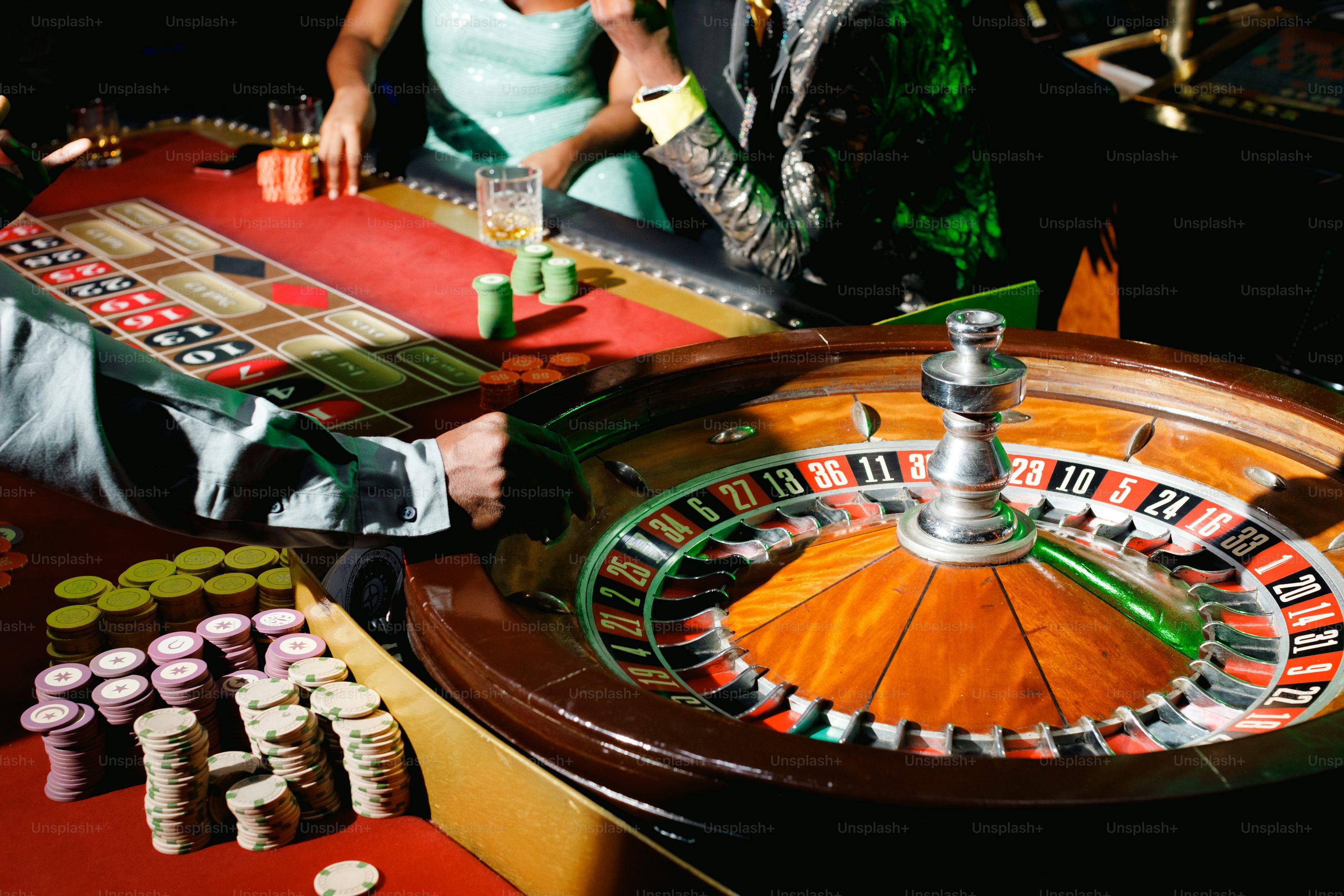
Experience the Thrill of Gambling with BreakWin
BreakWin stands as a modern hub for gambling enthusiasts in Australia, seamlessly blending tradition with contemporary gaming experiences. With a wide array of games and exclusive bonuses, including a generous first-deposit match and free spins, players can immerse themselves in an exciting gambling environment. The platform’s commitment to user-friendly navigation and tailored payment options makes it an appealing choice for both new and seasoned players.
With a strong focus on responsible gaming, BreakWin ensures a secure and enjoyable atmosphere for its users. The availability of 24/7 customer support underscores the platform’s dedication to providing assistance whenever needed, fostering trust and reliability. As more players seek thrilling experiences, BreakWin’s offerings position it as a key player in the evolving landscape of online gambling.
Join the ranks of satisfied players and explore the diverse gaming options at BreakWin today. With amazing promotions and a commitment to enhancing your gaming journey, you can discover why this platform is the go-to choice for online gambling enthusiasts in Australia. The rich history of gambling continues to unfold, and with BreakWin, you’re part of the exciting future ahead.