
Florida is often referred to as “The Sunshine State” due to its sunny weather and over 237 sunny days annually, making it one of the sunniest states in America. With this in mind, solar energy systems make Florida an excellent location. Furthermore, costs have fallen considerably, making solar an affordable solution for businesses of all sizes. In this guide, we will explore its benefits as an option in Florida, the costs involved, and the installation process.
Benefits of Solar for Business in Florida
Environmental Benefits
One of the most significant advantages of solar energy is its positive environmental impact. While traditional electricity generation methods rely heavily on fossil fuels, solar power generation methods use renewable resources like sunlight. By opting for solar power instead, businesses can significantly lower their carbon footprint while contributing towards creating a cleaner and healthier planet.
Financial Benefits
Solar energy offers many financial advantages for businesses. One obvious benefit is reduced electricity bills – companies generating their electricity can reduce monthly energy expenses significantly, and Florida offers numerous incentives that encourage the switch. Some such incentives include:
Businesses installing solar energy systems may qualify for a Federal Investment Tax Credit of up to 26% of their system’s costs, providing tax relief of $266 per system installed.
Florida Commercial Property Assessed Clean Energy (PACE) Program: This program offers financing solutions for energy efficiency upgrades and renewable energy systems – such as solar PV – installed at businesses throughout Florida.
Net Metering: Florida’s net metering program allows businesses to sell any excess solar energy back into the grid for additional savings on electricity bills. 3. Solar Energy Costs and Financing Options

Solar Panel Costs
The costs of solar energy systems depend on several factors, including system size, panel type used and installation complexity. Overall, their prices have steadily decreased over the years; according to Florida’s Solar Energy Industries Association (SEIA), the average commercial solar energy system cost per watt ranges from around $1.20 up to 1.70.
Financing Options for Solar Energy
Businesses looking to install solar energy systems have various financing options, including loans from banks or credit unions that allow businesses to finance the cost over time.
Solar Leases: Businesses may find leasing solar energy systems from solar companies a good solution if they wish to avoid investing in renewables upfront.
Power Purchase Agreements (PPAs): PPAs allow businesses to buy solar energy at a fixed rate from third-party providers at a predictable cost over time, offering predictable energy costs over time.
Solar Installation and Maintenance
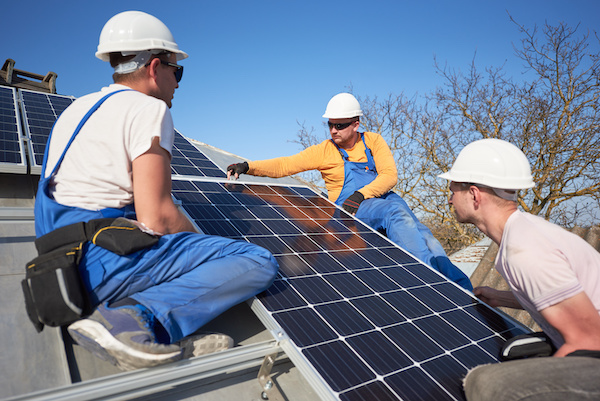
Selecting the Right Solar Installer Finding an experienced and qualified installer of your solar energy system is key to its successful installation. It should be carefully considered when selecting one. When making this decision, take note of the following:
Experience: Look for an installer with experience implementing solar energy systems at businesses similar to your own. Licensing and Certifications: Verify whether or not the installer has the proper permits to work in your state.
Customer Reviews and Testimonials: Read online reviews from previous customers to ensure the installer has a good reputation.
Warranty Coverage: Select an installer who offers comprehensive warranties for installation work and solar panels.
Solar Panel Maintenance
Proper solar panel maintenance ensures they operate optimally and last as long as possible. Here are some helpful tips for maintaining your solar panels:
Clean the panels regularly: Dirt and other debris can build up on solar panels, reducing efficiency. Use a soft-bristled brush with water to regularly cleanse them to eliminate any build-up of dirt, dust or other particles that accumulate there.
Maintain the Performance of Your Solar Panel System: Stay aware of how well your system is operating and contact your installer if any problems arise.
Trim Nearby Trees: To ensure maximum sunlight reaches your solar panels, any trees or foliage shading them must be pruned back to allow maximum illumination from sunlight rays.
5. Conclusion Solar energy can be an ideal investment for businesses in Florida, providing both environmental and financial advantages. Switching to solar can significantly lower electric bills while contributing to cleaner air. Thanks to incentives and financing programs available through state programs, switching is now more affordable than ever. If your Florida business is considering installing a solar energy system, contact a reputable installer to discuss all available options.

FAQs (Frequently Asked Questions)
How Much Does Commercial Solar Energy in Florida Cost?
The price tag on commercial solar energy systems varies significantly in Florida depending on factors like system size, panel type used and complexity of installation – however, businesses should expect to spend between $1.20-1.70 per watt as an estimate.
What incentives are available for businesses installing solar energy systems in Florida?
There are incentives for those installing these solar energy systems here, such as tax breaks.
Florida provides numerous incentives for businesses installing solar energy systems, including the federal investment tax credit, the Florida Commercial Property Assessed Clean Energy (PACE) Program and net metering.
Can Businesses Sell Excess Solar Energy Back Into Florida’s Grid?
Florida’s net metering program permits businesses to sell excess solar energy back into the grid for additional savings on electric bills.
What financing options are available to businesses seeking to install solar energy systems?
Businesses can finance the cost of their system through loans, leases or power purchase agreements (PPAs).
How can I select a suitable installer for my business??
Businesses looking into solar installation should take the following steps when selecting their installer: When selecting a solar installer, consider their experience, licensing and certifications, customer reviews and warranty coverage.