
Orlando City has set ambitious goals for reducing energy consumption, increasing efficiency and reducing carbon emissions associated with its operations and essential services with Solar in Orlando. In 2017, the city set an ambitious goal to use 100% renewable and clean energy by 2050. The City of Orlando, through several on-site installations, renewable energy procurement and electrification of the city fleet, has made great strides in expanding the use of cleaner energy. The city works to create high-performance, healthy buildings that are cost-effective and reduce energy consumption and greenhouse gas emissions.
Florida is especially vulnerable to the effects of climate change, both now and in the future. The city will be able to maintain its resilience in the long term by switching to renewable energy sources. Clean energy adoption will boost local and regional economies and bring additional benefits such as cleaner air due to reduced air pollution and healthier communities less susceptible to resource scarcity.
The sections below provide more information on the many initiatives advancing the use of renewable energy in the City Beautiful and the opportunities available to residents.

100% Renewable Energy Policy
The City Council of Orlando unanimously approved a resolution in August 2017, committing to meet 100% of all electricity demand by 2050 with renewable sources. The city has set an even higher standard to meet its goals: it will power all municipal buildings with renewable energy sources by 2030. The city must double its pace to achieve the Community Sustainability Action Plan goal: reach 50% renewable power by 2040. The city’s capacity to meet energy demands in 30 years will determine whether it can achieve the 100% renewable energy target. Therefore, energy efficiency and conservation projects are essential to achieving this goal.
Orlando Renewable and Resilient Road Map
In December 2017, Orlando Utilities Commission and Greenlink Analytics were selected to form one of nine teams of diverse stakeholders to take part in the Solar Energy Innovation Network. The SEIN is a national network that aims to find solutions to the real-world challenges of solar energy adoption. Over the course of 18 months, partners in the project developed a road map to help achieve Orlando’s 2030 goal of 100 percent renewable energy for municipal operations and its 2050 goal of 100 percent renewable energy across all of Orlando. The publicly available roadmap identifies the key questions and steps that have led us to where we are today, provides clean energy strategies and analyses crucial for moving forward and offers tools for decision-making for ongoing reevaluation. ICLEI Local Governments for Sustainability has published a 100% renewable case study on Orlando to learn more about recent initiatives and progress.
Awards and Recognition
The U.S. Department of Energy named 25 U.S. cities Solar America Cities in 2008. DOE recognizes Solar America Cities as partners who are highly committed to the adoption of solar technology at local levels. The awards aim to accelerate the adoption of solar technology in cities, our nation’s main electricity load centers. They do this by providing financial and technical support and policy advice.
Orlando is one of the nearly 300 communities in the United States designated as a SolSmart community, a program sponsored by the U.S. Department of Energy. Orlando has earned the highest SolSmart Gold designation, which makes the City Beautiful the leader in local governments that are “open to solar business.” In 2020, Orlando ranked No. Environment America’s “Shining Cities Report” ranks Orlando 32 out of 70 cities.
City Initiatives
Rooftop Solar and Solar Subscriptions to City Facilities
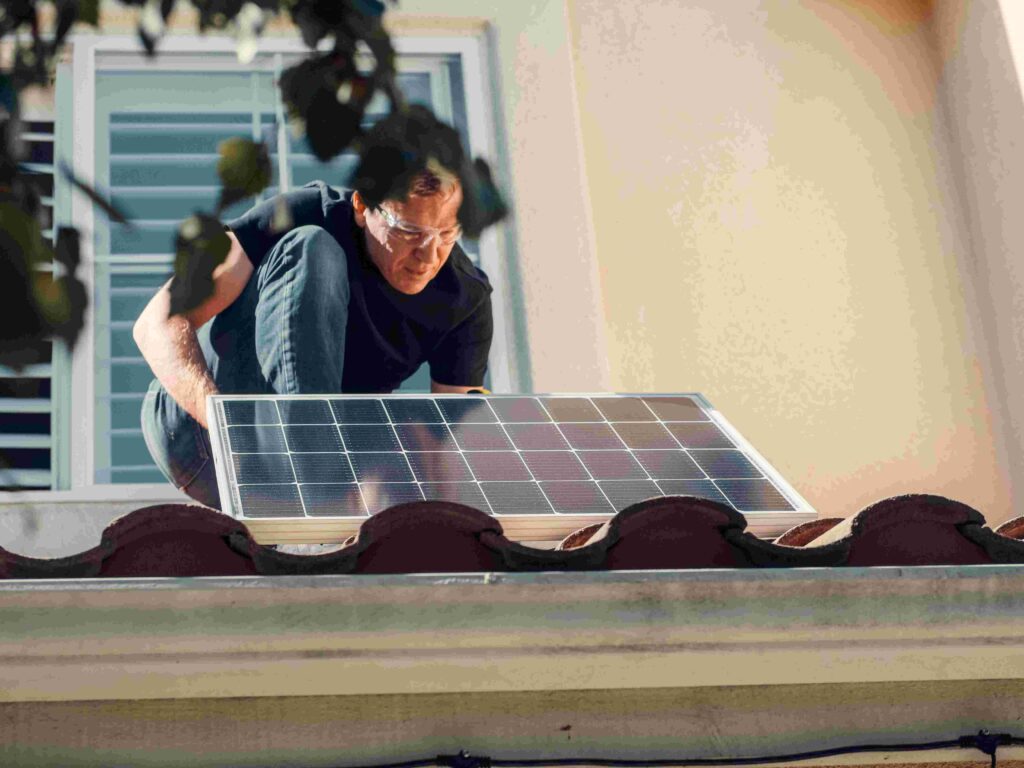
Orlando’s clean-energy strategy includes rooftop solar installations and community solar subscriptions for city facilities. The city installed 1 megawatt of solar power on its government roofs before 2020. This will grow to 2,24 installed capacities by the end of 2021. These installations are in addition to the OUC community Solar Program subscriptions for the City of Orlando that went online in 2020. They will power City Hall and 17 Fire Stations, and the Orlando Police Department.
In July 2021, Orlando subscribed to 33 additional buildings for the city’s senior centers, neighborhood centers, and parks. And in October 2021, Orlando founded OUC’s 2030 Solar Pledge. This pledge asks businesses to use at least 10% of solar energy when signing, and 100% of solar energy by 2030. Together, these initiatives will meet 9,31% of Orlando’s energy requirements by 2021 through solar power.
Floating Solar
In Florida, artificial retention ponds reduce flooding and manage heavy rainfall. The City of Orlando, OUC and the University of Central Florida have tested floating solar on retention ponds since 2017. This is an innovative way to increase the amount of distributed renewable energy. In 2019, the University of Central Florida was awarded a research grant to investigate the benefits and impacts of this technology.
The first project involved a 33-kW array at OUC Gardenia Facility. Today, over 1 MW of floating solar is installed in the Orlando area, including an array at the Orlando International Airport, which will be visible to 75+ million visitors annually. Orlando and OUC also work to test the combination of floating solar and green hydrogen production for energy storage. They are also exploring how different clean technologies can be combined to overcome the intermittency issues with renewables. There is much potential for using floating solar in the local area to help achieve the city’s commitment to 100% renewable energy by 2050.
Streamlined Solar Permitting
Orlando works constantly to improve its services and make them easier to use. It also encourages projects that help us achieve our sustainability goals. In 2017, the City of Orlando introduced a digital permit process for solar projects to streamline the process and make it more convenient. Thanks to its enhanced commenting capabilities and tracking, the digital permit plan and review process provide customers with greater transparency.
Resilience Hubs
A Resilience hub is a combination of infrastructure and programming, typically located in or around underserved areas, employment centers, transit centers or other public places. Its purpose is to provide residents with support and coordination services and resources before, during or after an event caused by a natural disaster. To support its sustainability and resilience initiatives, and under the Future-Ready City Master Plan, the City of Orlando works with internal and external partners on establishing these hubs across the city.
Six neighborhood centers will serve as the first resilience hubs of the city in 2021 – Callahan Dover Shores Engelwood Northwest Dr James R. Smith Rosemont. The goal is for all neighborhood centres in the city to be hubs within the next few years. The facilities will be upgraded to accommodate additional energy loads, use on-site solar and storage whenever possible, and offer tools and services for residents to respond to extreme weather events and climate change.
Residents and Business Owners can benefit from a variety of resources
Cooperative Solar Purchasing Program
Solar co-ops can help residents learn about installing solar energy in their homes and offer low-cost bulk purchasing opportunities. Orlando Solar Co-ops was the first to take place in 2019, in partnership with Solar United Neighbors, a nonprofit that helps people go solar and advocates for their energy rights. Since then, hundreds have taken part in eight co-ops. The city will continue supporting co-ops as long as the solar co-ops are successful and continue to gain interest.
Solar and Energy Loan Fund
The city sponsors the Solar & Energy Loan Fund, a nonprofit organization that provides financing for home improvements. These can save money, increase equity, and improve home value. They also enhance comfort and livability. SELF’s mission is to empower and rebuild underserved neighborhoods by providing affordable and innovative financing to make sustainable improvements to properties. The primary focus of the SELF program is on energy efficiency, renewable energies, climate resilience, and livability in low and moderate-income neighborhoods.
Property Assessed Clean Energy Program
The City of Orlando, through its Property Assessed Clean Energy program (PACE), has been providing financial tools since 2016 to homeowners and businesses to lower their utility costs and make buildings more water and energy efficient. PACE eliminates high upfront costs and offers low-interest financing for residents and businesses looking to improve their properties’ energy and water efficiency.
Utility Programs and Efforts
Orlando Utilities Commission (OUC)
Orlando Utilities Commission offers residential and commercial clients guides, resources, and programs unique to solar energy. OUCollective Solar makes it easier for homeowners to install Solar Photo-voltaic Panels (PV) on their roofs. OUC electric customers can use special pricing on top solar panel manufacturers through a partnership between esaSolar and OUC. OUC offers rebates and can help with solar projects at your home or office.
The OUC community Solar Program gives OUC residential and business clients access to renewable, maintenance-free solar power without the hassles or costs associated with installing panels at their homes or businesses. This program allows more people to afford solar energy by removing the upfront costs. Here you can find answers to frequently asked questions and calculate the cost of switching from solar power. You can also read more about the Bright Bunch Solar Loyalty Program.